
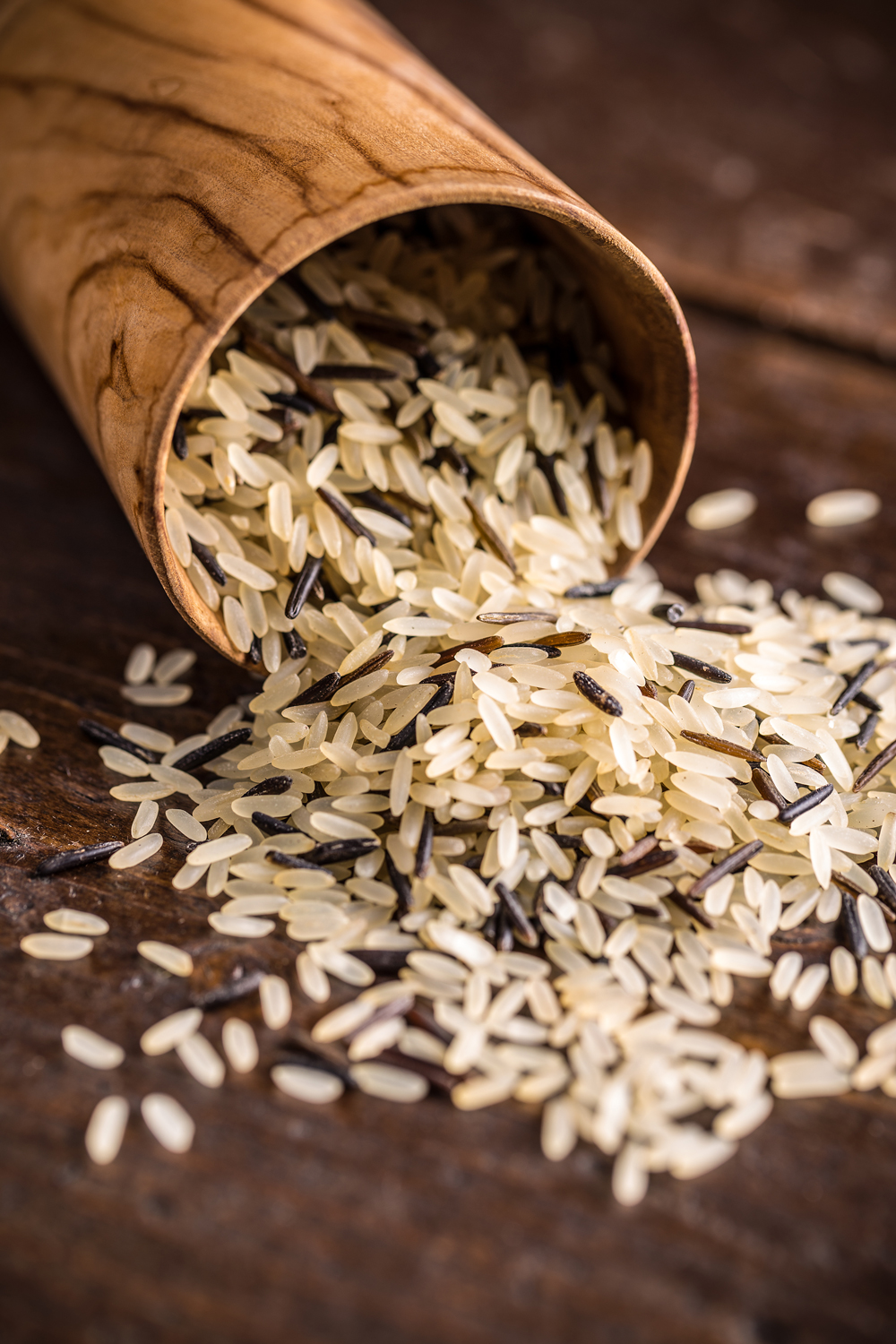
Ask any biryani master in Karachi or Lahore what their secret is, and after the masala, they’ll mention one thing: the rice. Not just any rice — aged basmati.
What Does “Aged” Actually Mean? Freshly harvested rice is called “new crop” rice. It contains high moisture content — often 20% or more — and its grains are soft, brittle, and prone to breaking during cooking. Aged basmati has been stored under controlled conditions for 12 to 24 months, during which the rice undergoes a remarkable natural transformation.
The Science of Aging During storage, three things happen. First, moisture slowly evaporates, bringing the grain down to 12–13% moisture. Second, the starches in the grain crystallize — a process called retrogradation — which changes how the grain behaves in hot water. Third, the aromatic compounds concentrate, intensifying that signature basmati fragrance.
What This Means on Your Plate Lower moisture means aged grains absorb water more evenly without turning mushy. Crystallized starch means the grains stay long, separate, and fluffy after cooking — never sticky or clumped. And the concentrated aroma means your kitchen smells like heaven before the biryani is even done.New-crop rice, by contrast, cooks up soft and breaks easily. It’s fine for everyday khichdi or dal chawal, but for biryani, pulao, or any dish where the rice must hold its own — aging is non-negotiable.
How to Identify Genuine Aged Basmati Real aged basmati has a few telltale signs:
- Long, slender grains — ideally 7mm+ before cooking, doubling in length after
- A golden, slightly off-white color — not bright white (a sign of over-polishing or bleaching)
- A natural nutty aroma — not a perfumed smell, which can indicate added fragrance
- Firm texture after cooking — grains that stay intact when you fluff with a fork
Does Aging Affect Nutrition? Interestingly, yes. Studies on aged rice show reduced glycemic response compared to fresh rice — the crystallized starch digests more slowly, leading to a gentler blood sugar curve. Aged rice is also lighter on the stomach, which is why traditional households preferred it.
The ViaVitaPk Standard Every bag of ViaVitaPk basmati is aged 12–24 months before it reaches your kitchen. We don’t rush nature — we wait for it. Because great biryani isn’t made in the pot. It’s made in the months before the rice ever reaches you. Taste the difference aging makes. Try ViaVitaPk aged basmati in your next biryani.